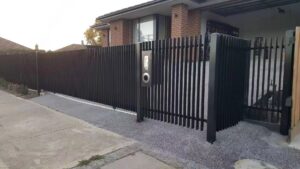
Aluminium slat fencing has become one of the most popular modern fencing options for residential, commercial, and industrial properties. Known for its clean lines, durability, and low maintenance requirements, it offers a practical alternative to traditional timber and steel fencing.
This guide explains what aluminium slat fencing is, how it works, where it’s commonly used, and what to consider before choosing it for your property.
What Is Aluminium Slat Fencing?
Aluminium slat fencing is a fencing system made from horizontal or vertical aluminium slats fixed within a supporting frame. The spacing between slats can be adjusted to control privacy, airflow, and visibility.
Unlike timber, aluminium does not rot or warp, and unlike steel, it does not rust. This makes aluminium slat fencing especially suitable for long-term outdoor use in Australian conditions.
Key Benefits of Aluminium Slat Fencing
Durability in Australian Conditions
Aluminium is naturally corrosion-resistant, making it ideal for exposure to sun, rain, and changing temperatures. Powder-coated finishes add an extra layer of protection, helping the fence maintain its appearance over time.
Low Maintenance Requirements
Aluminium slat fencing requires minimal upkeep compared to timber fencing, which often needs regular staining, sealing, or replacement. In most cases, occasional cleaning with water is sufficient.
Adjustable Privacy and Visibility
Slat spacing can be customised to create anything from a semi-private boundary fence to a full privacy screen. This flexibility allows the fence to suit different applications without sacrificing design.
Modern, Architectural Appearance
Aluminium slat fencing is commonly used in contemporary designs due to its clean, minimalist look. It complements modern homes, commercial buildings, and industrial facilities alike.
Long-Term Value
While the initial cost may be higher than some alternatives, aluminium slat fencing often proves more cost-effective over time due to its long lifespan and low maintenance needs.
Aluminium Slat Fencing vs Timber vs Steel
One of the most common questions property owners ask is how aluminium slat fencing compares to other materials.
| Feature | Aluminium Slat | Timber | Steel |
|---|---|---|---|
| Corrosion Resistance | Excellent | Poor | Moderate |
| Maintenance | Very low | High | Moderate |
| Lifespan | Long-term | Short to medium | Medium |
| Design Flexibility | High | Moderate | Moderate |
| Appearance Over Time | Consistent | Degrades | Can rust |
Aluminium fencing stands out for properties where appearance, durability, and minimal maintenance are priorities.
Common Uses of Aluminium Slat Fencing
Residential Applications
Aluminium slat fencing is often used for:
- Front boundary fencing
- Side and rear boundary fences
- Privacy screens
- Modern architectural features
It provides privacy without fully enclosing a space and pairs well with contemporary home designs.
Commercial Applications
For commercial properties, aluminium slat fencing offers:
- Secure boundaries with a professional appearance
- Controlled visibility
- Compatibility with access-controlled gates
It is frequently used for offices, retail premises, and mixed-use developments.
Industrial Applications
In industrial settings, aluminium slat fencing can be used where a balance of security and aesthetics is required, particularly for sites that face public roads or client-facing areas.
Design and Customisation Options
Aluminium slat fencing systems can be customised in several ways:
Slat Orientation
- Horizontal slats for a modern, streamlined look
- Vertical slats for a more traditional or structured appearance
Slat Spacing
Spacing can be adjusted to increase privacy or allow airflow and visibility, depending on the site’s needs.
Colours and Finishes
Powder coating allows aluminium slat fencing to be finished in a wide range of colours, including neutral tones and bold architectural finishes.
Maintenance and Longevity
Aluminium slat fencing is designed for long-term use. It does not require painting or sealing, and it resists common issues such as rust, termites, and moisture damage.
Routine inspections and occasional cleaning are typically all that is needed to maintain its appearance and performance.
Is Aluminium Slat Fencing Worth the Cost?
The value of aluminium slat fencing lies in its longevity and reduced maintenance costs. While the upfront investment may be higher than timber fencing, the long-term savings often outweigh the initial expense.
Factors that influence cost include:
- Fence height and length
- Slat spacing and design complexity
- Finish and colour selection
- Site conditions and installation requirements
When Aluminium Slat Fencing May Not Be the Best Option
Although aluminium slat fencing suits many applications, it may not be ideal in every situation. It may not be suitable where:
- Very tight budgets are the primary concern
- Extreme impact resistance is required
- Heritage or traditional design restrictions apply
Understanding these limitations helps ensure the right fencing solution is chosen.
Frequently Asked Questions
Is aluminium slat fencing suitable for coastal areas?
Yes. Aluminium’s corrosion resistance makes it suitable for coastal and high-moisture environments.
Does aluminium slat fencing provide security?
When properly installed, it provides a strong physical barrier while allowing controlled visibility.
Can aluminium slat fencing be installed on sloping land?
Yes. Systems can be designed to accommodate sloping or uneven ground.
How long does aluminium slat fencing last?
With proper installation, aluminium slat fencing can last for decades with minimal maintenance.
Learn More About Aluminium Slat Fencing Solutions
If you’re considering aluminium slat fencing for your property, understanding its benefits and limitations is the first step.
For detailed design options and installation solutions, see our aluminium slat fencing service page.