Cyclone wire fencing is one of the most widely used perimeter security systems across Melbourne’s industrial and commercial zones.
From warehouses in Dandenong South to logistics sites in Truganina and Campbellfield, cyclone fencing remains a practical and cost-effective security solution.
But not all cyclone fence installations are equal.
Correct post spacing, wire tensioning, and panel selection significantly affect long-term durability and structural integrity.
This guide explains how cyclone wire fencing works, how it’s installed, and what property owners should consider before choosing a system.
What Is Cyclone Wire Fencing?
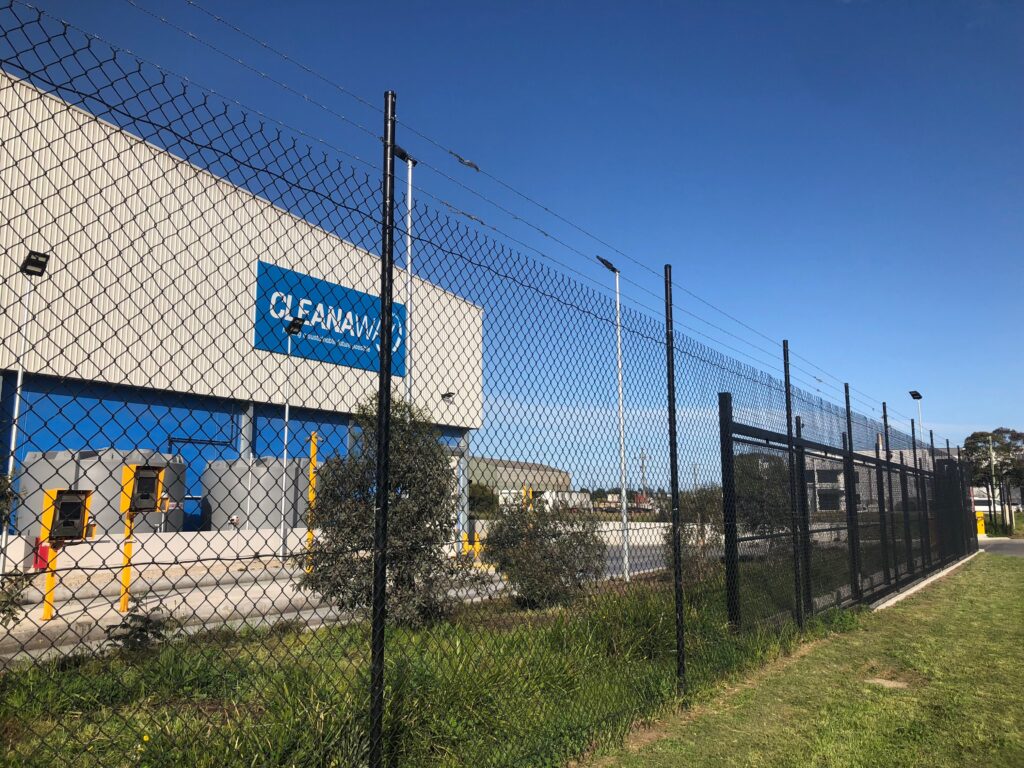
Cyclone wire fencing (often referred to as chain wire fencing) is a woven steel wire mesh system supported by steel posts and rails.
It is commonly used for:
- Industrial facilities
- Construction sites
- Warehouses
- Schools
- Sporting facilities
- Commercial perimeters
The open mesh design provides visibility while maintaining strong boundary security.
When Is Cyclone Fencing the Right Choice?
Cyclone fencing is ideal when:
- Security is required without blocking visibility
- Large perimeter areas need cost-effective coverage
- Industrial zoning requires compliant boundary fencing
- Temporary or staged development needs flexibility
In Melbourne’s industrial suburbs, it is often chosen for its durability and scalability.
Cyclone Fence Installation: What Actually Matters
Many fencing failures occur due to poor installation rather than material issues.
A professional cyclone fence installation involves more than setting posts and attaching wire.
Key factors include:
1. Correct Post Depth & Spacing
Industrial installations often require deeper post embedment depending on soil conditions.
For example:
- Reactive clay soils in outer suburbs require proper footing depth.
- High-wind areas near coastal zones like Altona require reinforced support.
Incorrect post spacing can cause sagging over time.
2. Proper Wire Tensioning
Cyclone mesh must be tensioned evenly across the span.
If tension is inconsistent:
- The fence may bow inward
- Wire may loosen prematurely
- Structural integrity reduces
Professional installers use tension bars and strain wires to ensure long-term stability.
3. Rail & Bracing Support
For higher-security applications, additional bracing or top rails may be required.
Warehouses in Dandenong South or Campbellfield with high daily activity benefit from reinforced frameworks.
Cyclone Fence Panels vs Chain Mesh Rolls
There are two primary configurations:
1. Chain Wire Rolls
- Installed and tensioned on site
- Ideal for large perimeter runs
- Flexible for uneven terrain
2. Cyclone Fence Panels
- Pre-fabricated framed sections
- Faster installation
- Suitable for controlled access areas
- Often used in temporary or modular fencing
Choosing between panels and rolled mesh depends on:
- Site layout
- Budget
- Required rigidity
- Future modification plans
Real Installation Insight: Industrial Application
In a recent installation for a logistics facility in Melbourne’s west, the site required cyclone fencing with vehicle access gates and reinforced corner bracing due to high wind exposure.
The original fence had failed due to shallow footings and poor mesh tension.
By installing deeper-set posts and correctly tensioned mesh supported by top rail bracing, the perimeter achieved improved structural resistance and reduced long-term maintenance issues.
Proper installation dramatically changes performance.
Maintenance Considerations
Cyclone wire fencing is relatively low maintenance, but it’s not maintenance-free.
Property owners should:
- Inspect tension annually
- Check post stability
- Monitor for corrosion in high-moisture environments
- Ensure gates remain properly aligned
Galvanised steel significantly improves lifespan, especially in industrial and coastal areas.
Why Cyclone Fencing Remains Popular in Melbourne
Across Melbourne’s industrial corridors — including Dandenong, Truganina, Laverton and Campbellfield — cyclone fencing remains the preferred solution because it:
- Is cost-effective for large areas
- Allows airflow and visibility
- Integrates easily with access gates
- Can be upgraded with barbed wire or security features
- Meets common industrial boundary requirements
For businesses seeking professional cyclone fencing in Melbourne, selecting experienced installers ensures proper structural integrity and long-term reliability.
Integrating Cyclone Fencing with Gates
Perimeter fencing often requires integrated sliding or swing gates for vehicle access.
When planning a fencing project, it’s important to consider the complete boundary system — not just the mesh itself.
Boswen provides complete Gates and Fences solutions across Melbourne for industrial and commercial properties.
Final Considerations Before Installing Cyclone Fencing
Before proceeding, property owners should evaluate:
- Soil conditions
- Wind exposure
- Perimeter length
- Access requirements
- Future expansion plans
- Compliance requirements
A properly designed cyclone fencing system can last many years with minimal structural issues when installed correctly.